Kitchen Lighting Mistakes That Make Your Space Look Cheap
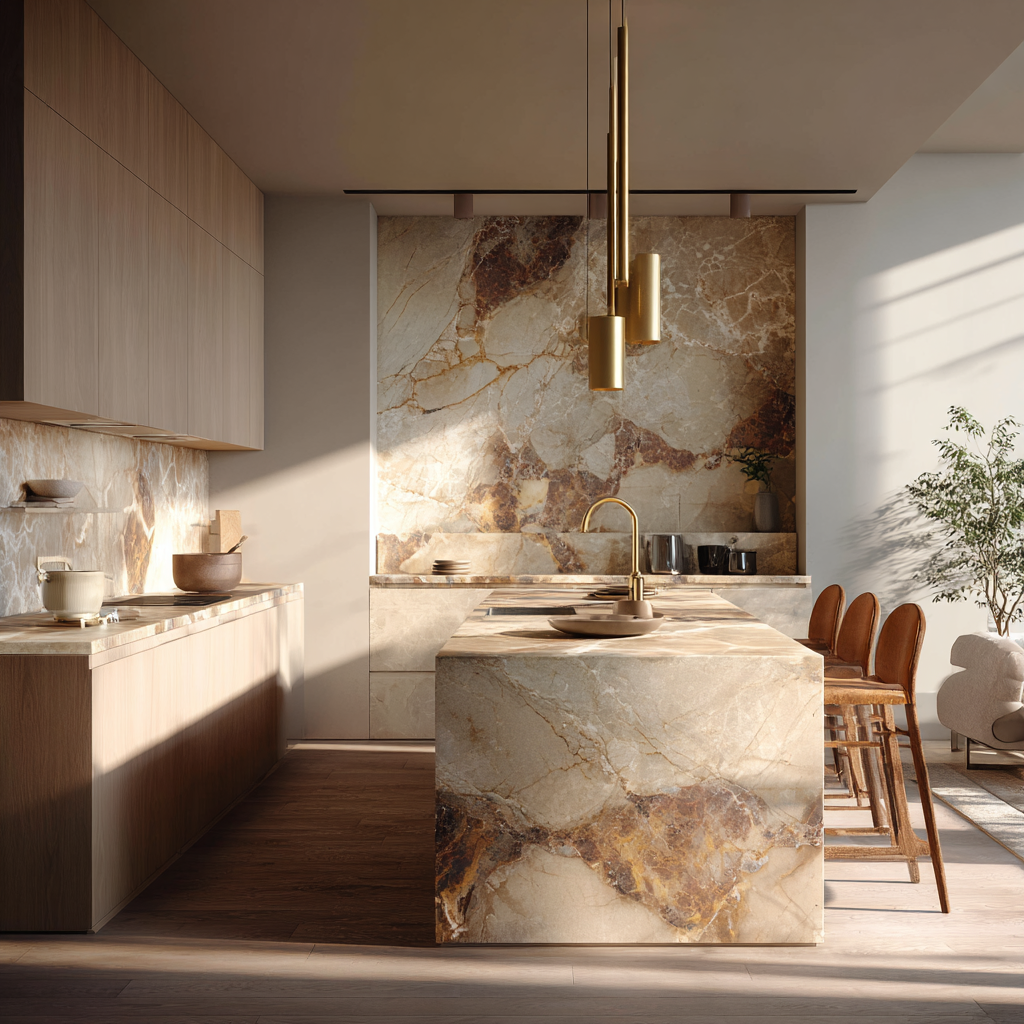
Lighting is one of the most powerful elements in kitchen design, yet it is often treated as an afterthought. You can invest in beautiful cabinetry, elegant countertops, and high-end appliances—but if the lighting is poorly planned, the entire kitchen can feel flat, uncomfortable, and surprisingly cheap.
The kitchen today is more than just a place to cook. It is where people gather, socialize, and spend a large part of their day. Because of this, lighting should not only provide visibility but also create atmosphere and highlight the design of the space.
If your kitchen feels dull or unfinished, lighting might be the real reason. Avoiding these common mistakes can instantly make your kitchen look more refined and thoughtfully designed.
Relying on Only One Ceiling Light
One of the most common lighting mistakes is relying on a single ceiling fixture placed in the center of the kitchen. While this may provide general brightness, it rarely lights the room evenly.
A central light source creates bright spots in the middle of the room but leaves countertops, corners, and cabinets in shadow. This uneven lighting makes the kitchen feel smaller and less comfortable to work in.
Well-designed kitchens use layered lighting. Instead of depending on one fixture, they combine several types of lighting that work together:
- Ambient lighting for overall brightness
- Task lighting for cooking and food preparation
- Accent lighting for depth and atmosphere
For example, recessed ceiling lights can provide general illumination, while pendant lights above the island add focus and style. Under-cabinet lighting then brightens the countertop where most kitchen tasks happen.
This layered approach creates a balanced, professional-looking space.
Choosing the Wrong Color Temperature
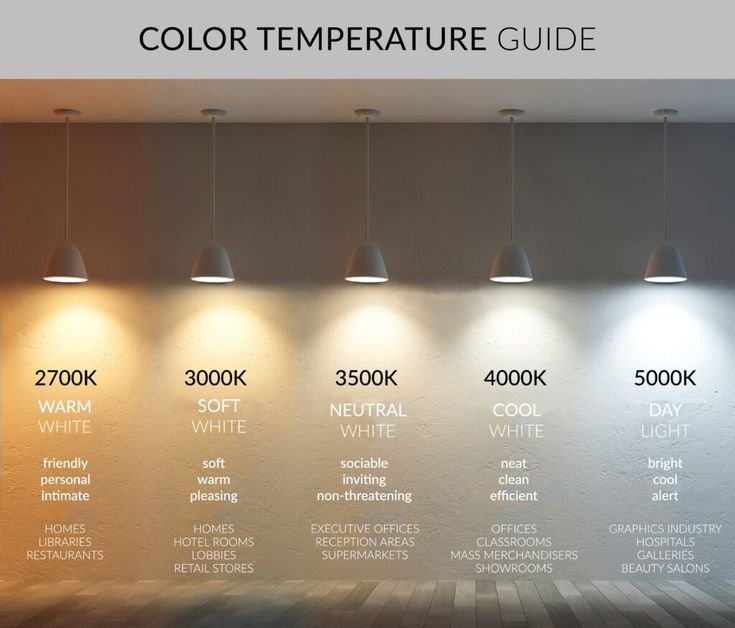
Color temperature plays a major role in how a kitchen feels.
Some kitchens use very cool, bluish lighting that resembles office lighting. While this type of light is bright, it can make the space feel cold and sterile. It also tends to flatten natural materials such as wood, marble, and stone.
On the other hand, lighting that is too warm can give the kitchen a yellow tint, which makes white cabinets look dull.
Most designers recommend lighting between 2700K and 3000K for kitchens. This range creates a warm and inviting environment while still providing enough clarity for cooking and food preparation.
The right color temperature enhances textures, improves the appearance of materials, and makes the entire kitchen feel more luxurious.7
Ignoring Under-Cabinet Lighting
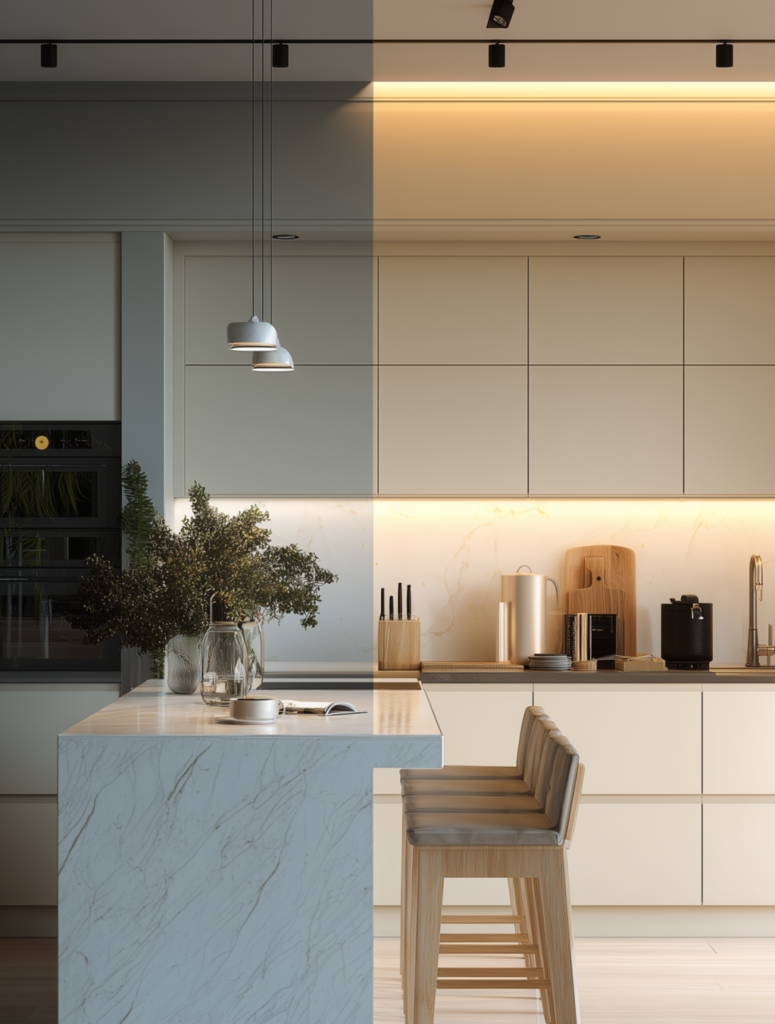
Under-cabinet lighting is often overlooked, yet it is one of the easiest ways to elevate a kitchen.
Without it, upper cabinets cast shadows directly onto the countertop. This makes food preparation harder and visually darkens one of the most important areas in the kitchen.
Adding LED strip lighting beneath cabinets solves this problem immediately. It illuminates the workspace while also creating a soft glow along the backsplash.
At night, under-cabinet lighting can even serve as subtle ambient lighting when the main lights are turned off. This small design detail adds warmth and depth that makes the entire kitchen feel more polished.
Hanging Pendant Lights at the Wrong Height
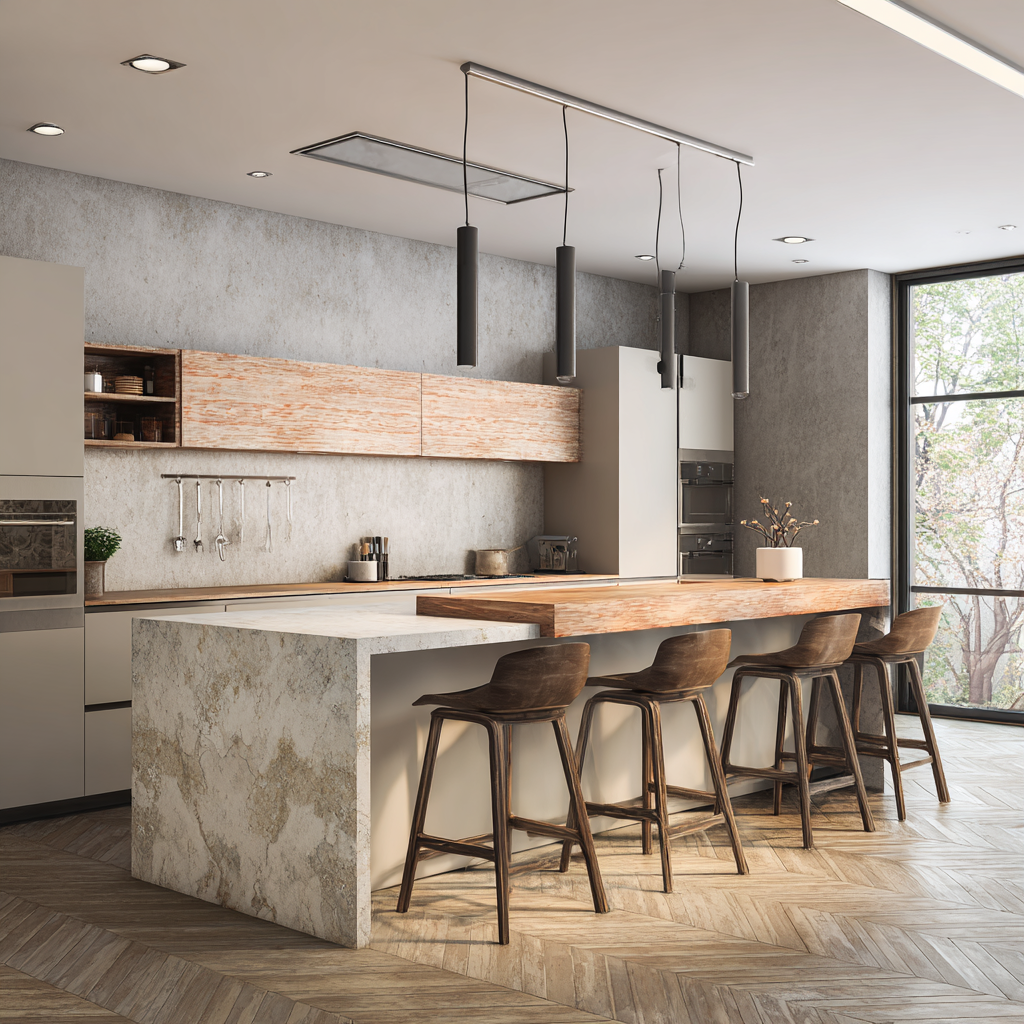
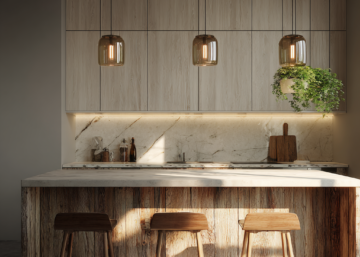
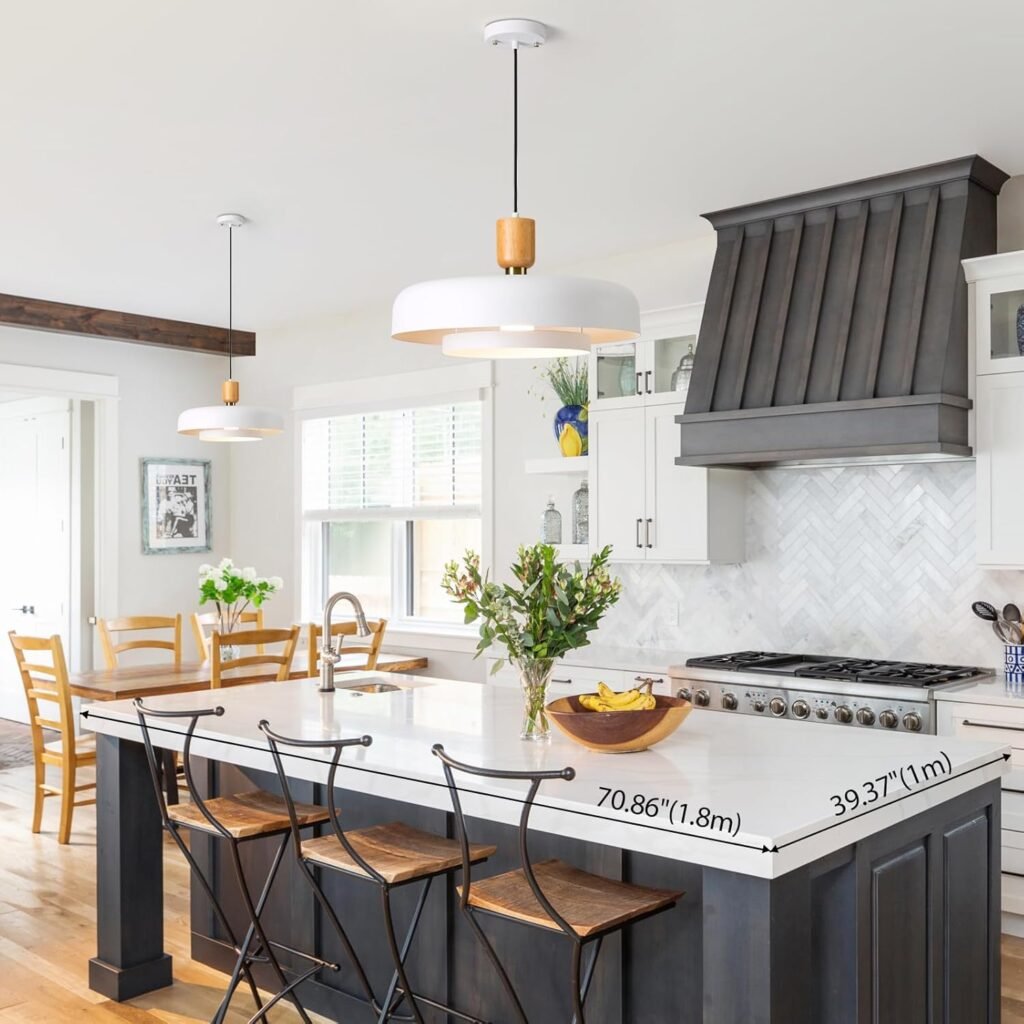
Pendant lights above a kitchen island often become a focal point of the entire room. However, they are frequently installed at the wrong height.
If pendants hang too high, they lose their visual impact and fail to properly illuminate the island surface. If they hang too low, they can block sightlines and make the space feel cramped.
A good guideline is to install pendant lights about 30–36 inches above the countertop. This height keeps them visually connected to the island while still maintaining an open view across the kitchen.
Spacing also matters. Instead of using one oversized pendant, many designers prefer two or three evenly spaced fixtures. This creates balance and gives the island a more intentional design.
You can use this pendant lights
Using Too Many Bright Lights
Another common mistake is assuming that brighter always means better.
Some kitchens include too many recessed lights, creating an overly bright environment that feels more like a retail space than a home. When lighting is too strong, it removes shadows and depth, making the room look flat.
A better approach is to combine brightness with softness. Installing dimmers allows you to adjust the lighting depending on the time of day and the activity.
During cooking, brighter light is helpful. During dinner or evening gatherings, softer lighting creates a more relaxed and welcoming atmosphere.
Lighting should enhance the experience of the kitchen—not overwhelm it.
Forgetting Accent Lighting
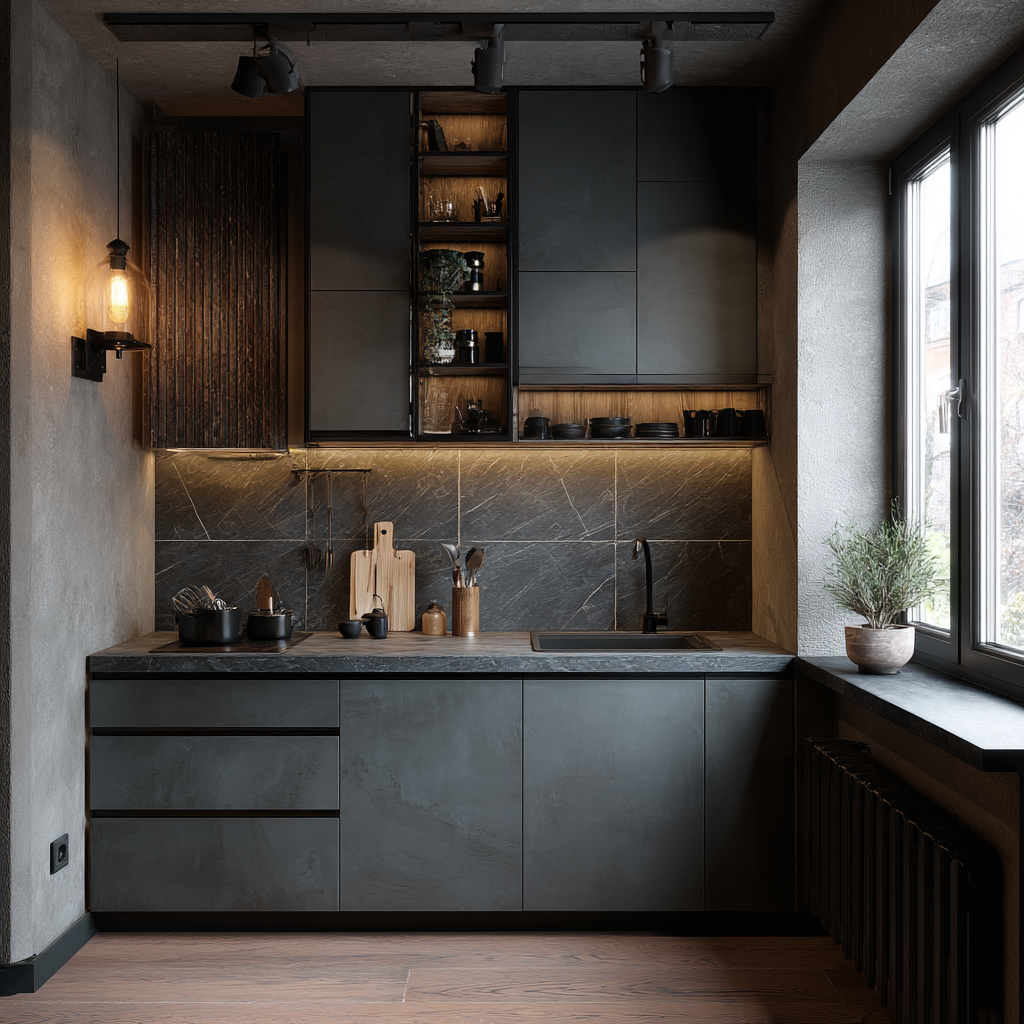
Accent lighting is what separates a basic kitchen from a truly beautiful one.
Without accent lighting, every surface receives the same level of brightness, which can make the kitchen feel visually monotonous.
Small lighting details can make a big difference. For example:
- Lighting inside glass cabinets highlights dishware
- Shelf lighting emphasizes decorative pieces
- Toe-kick lighting creates a subtle floating effect at night
These layers of light introduce contrast and depth. Even though they are subtle, they give the kitchen a more luxurious and intentional appearance.
The Power of Good Lighting
Lighting has the ability to completely transform how a kitchen looks and feels. The same cabinets, countertops, and materials can appear dramatically different depending on how they are illuminated.
Good lighting highlights textures, enhances colors, and adds warmth to the space. Poor lighting does the opposite—it hides design details and makes the room feel ordinary.
By layering light sources, choosing the right color temperature, and adding thoughtful accents, you can create a kitchen that feels both functional and visually beautiful.
Because in the end, great kitchen design is not only about the materials you choose.
It is also about how the space comes to life when the lights turn on.