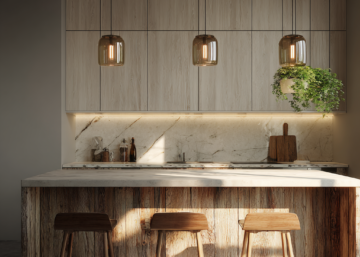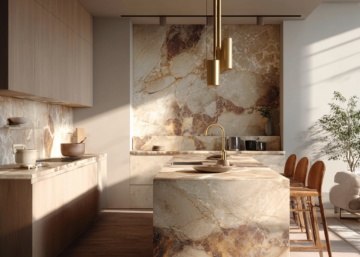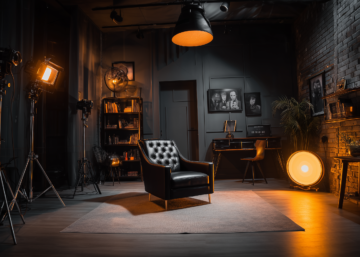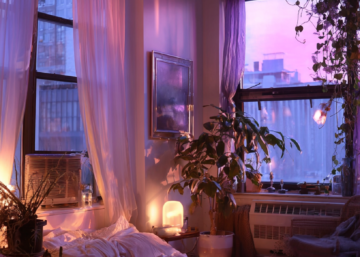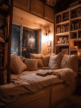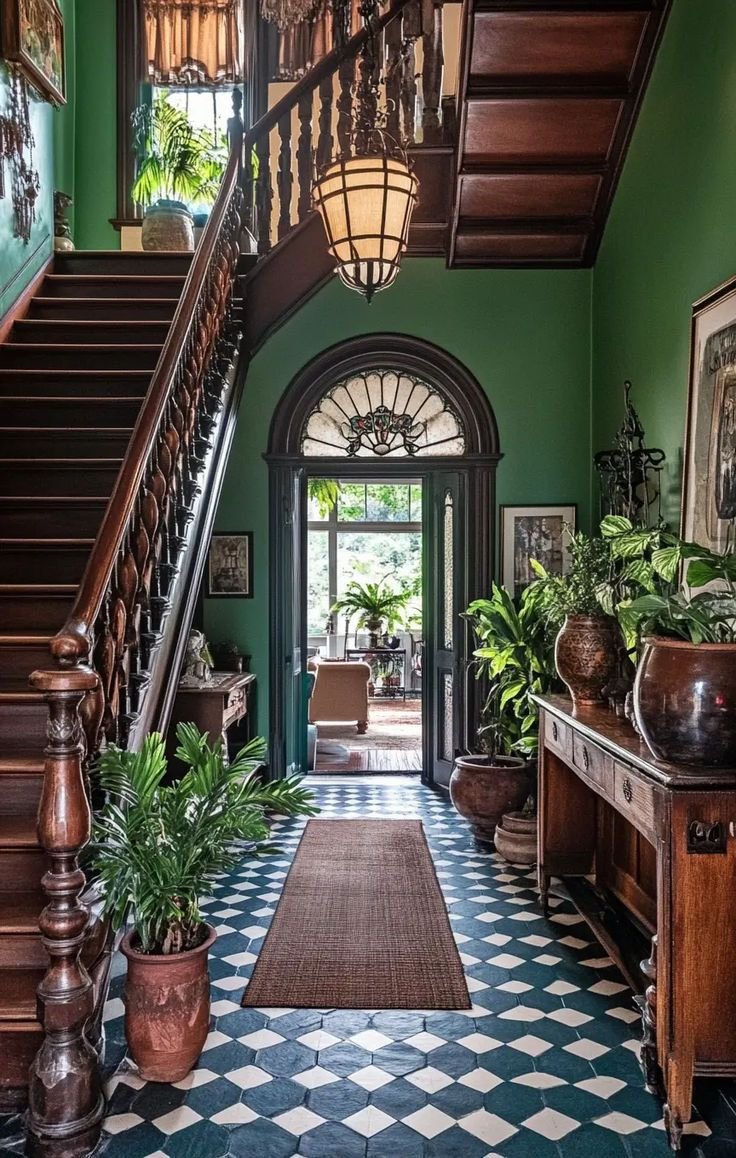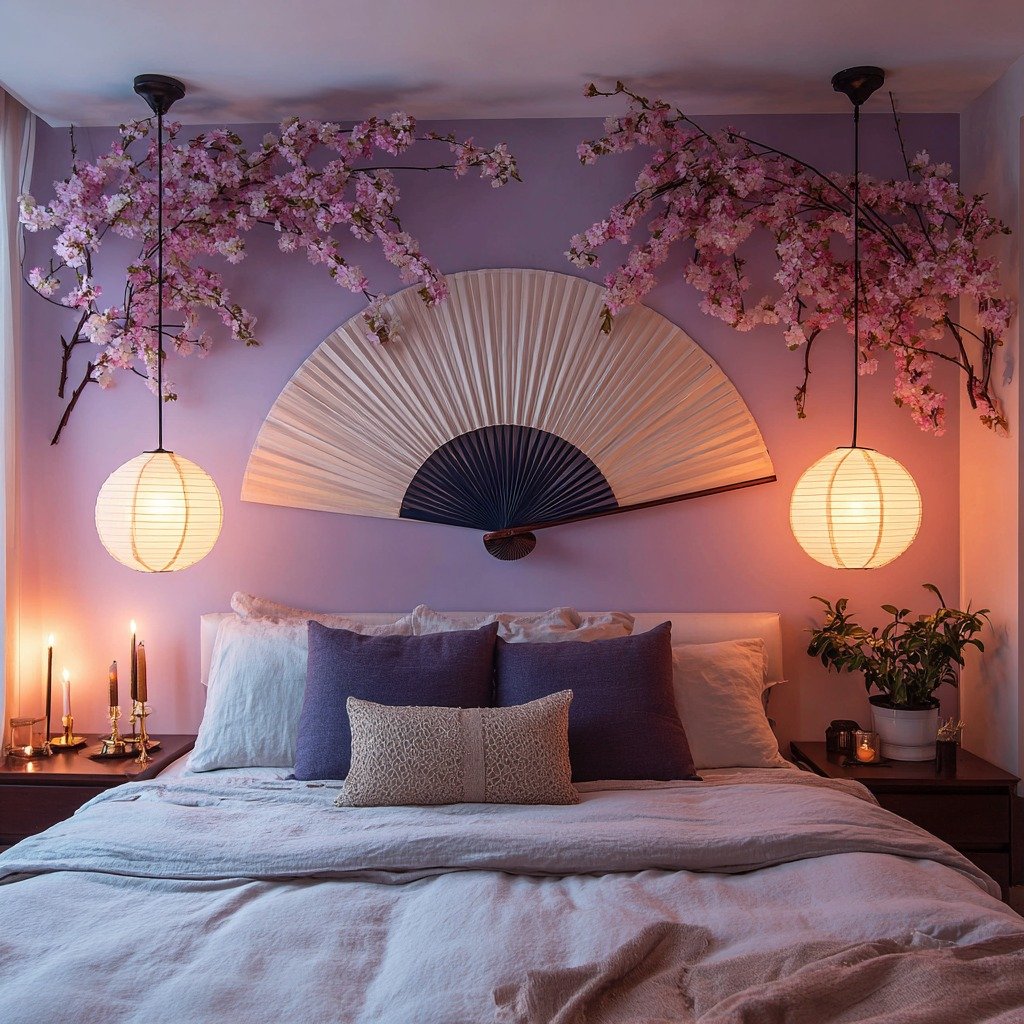
- Ambient lighting – overall glow
- Task lighting – functional light for reading, cooking, working
- Accent lighting – cozy, mood-setting light
Even in a 400–600 sq ft studio, you can apply this rule.
Let’s break it down.
1️⃣ Ambient Lighting (Your Base Layer)
This replaces harsh overhead lighting.
Instead of relying only on your ceiling fixture, add:
- A slim floor lamp in a dark corner
- A soft-glow LED corner lamp
- A warm table lamp near your sofa
👉 A slim corner floor lamp like this works perfectly in small spaces:
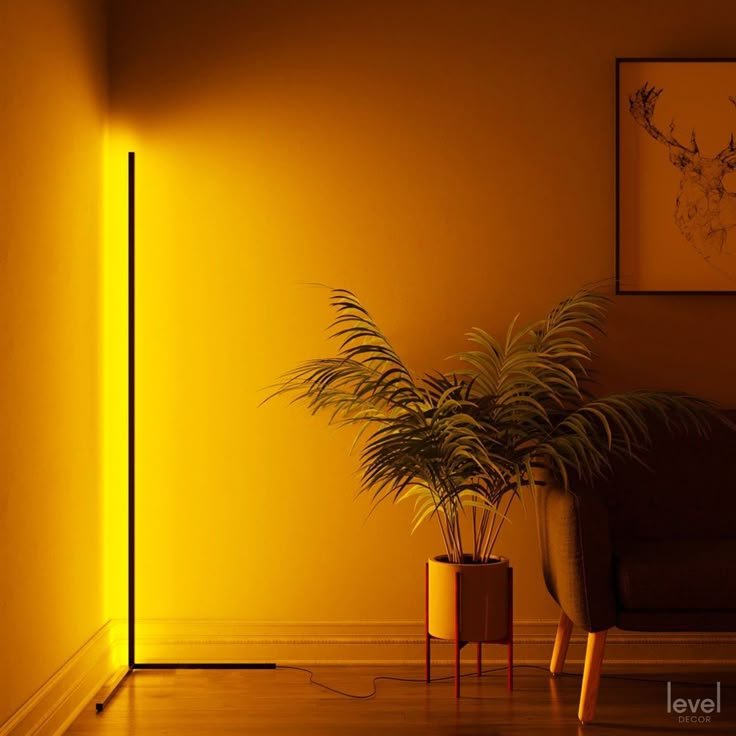
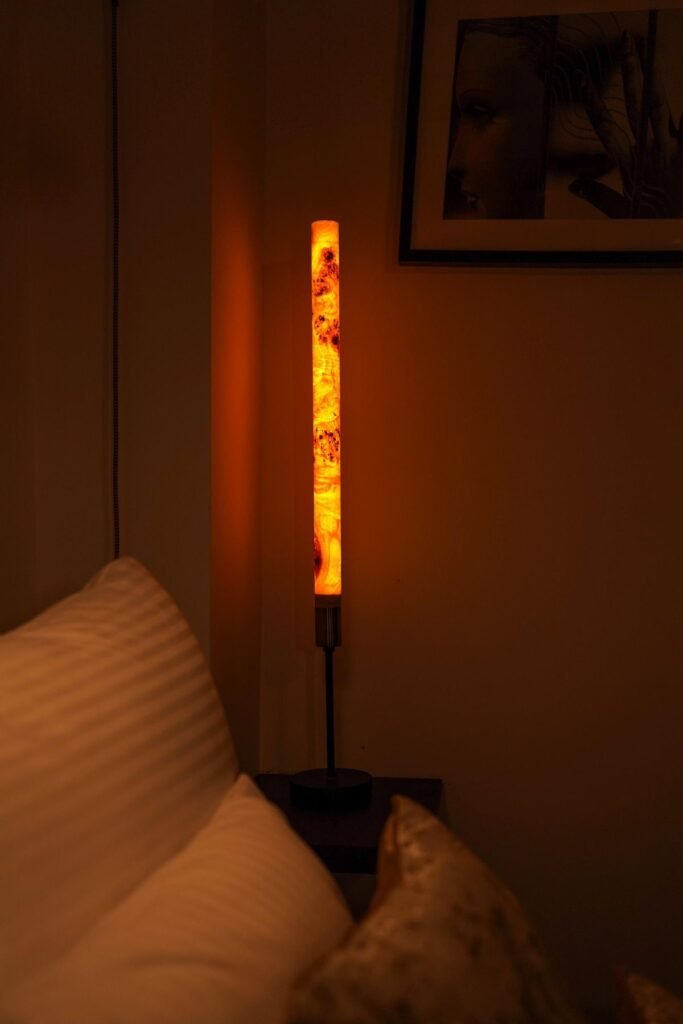
Why corner placement works:
It reflects light off walls and ceilings, making the room feel larger.
Pro tip: Use warm white bulbs (2700K–3000K). Cool white makes studios feel smaller
.
2️⃣ Task Lighting (Where You Actually Need Light)
Studios combine everything — bedroom, living room, workspace.
So your task lighting needs to be intentional.
Examples:
- Clip-on reading lamp by your bed
- Desk lamp for work
- Under-cabinet lights in kitchen
- Plug-in wall sconce by sofa
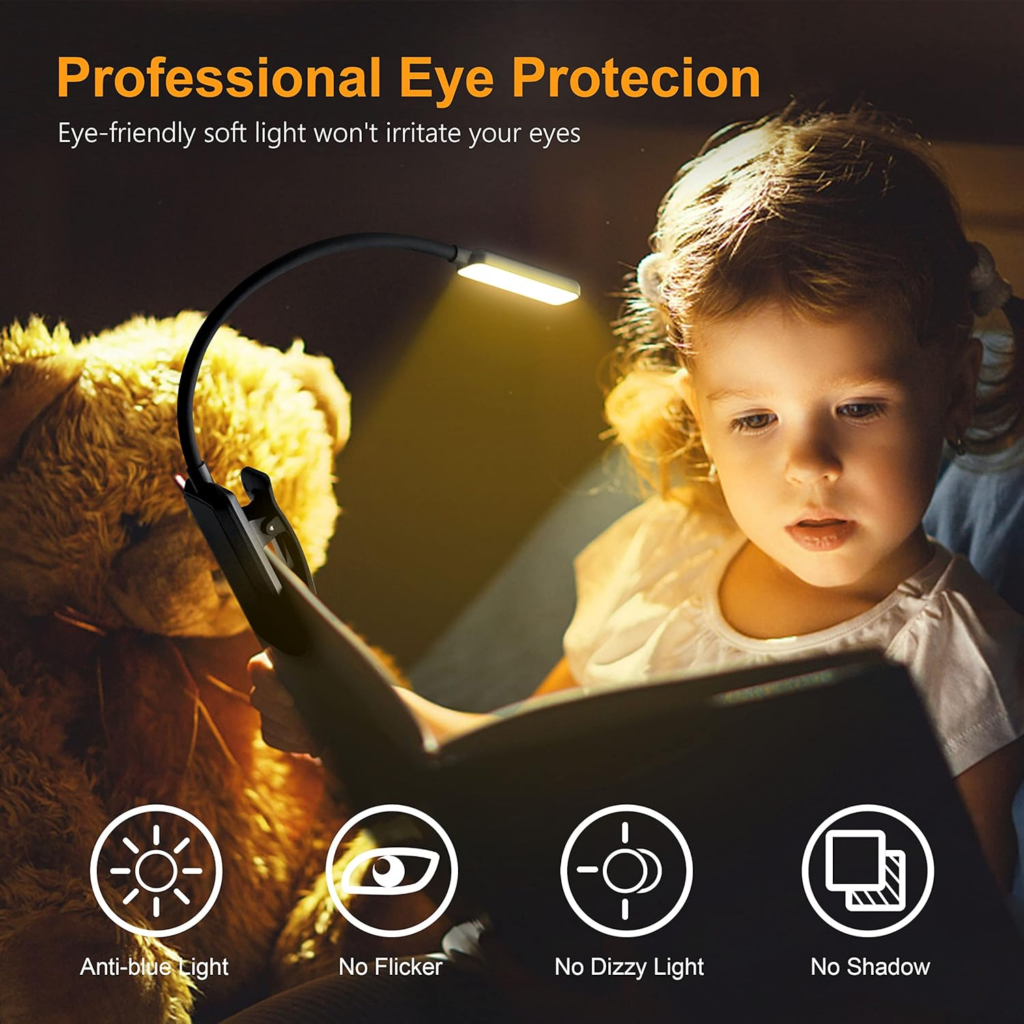
👉 A flexible clip-on reading lamp like this is perfect for small bedrooms:
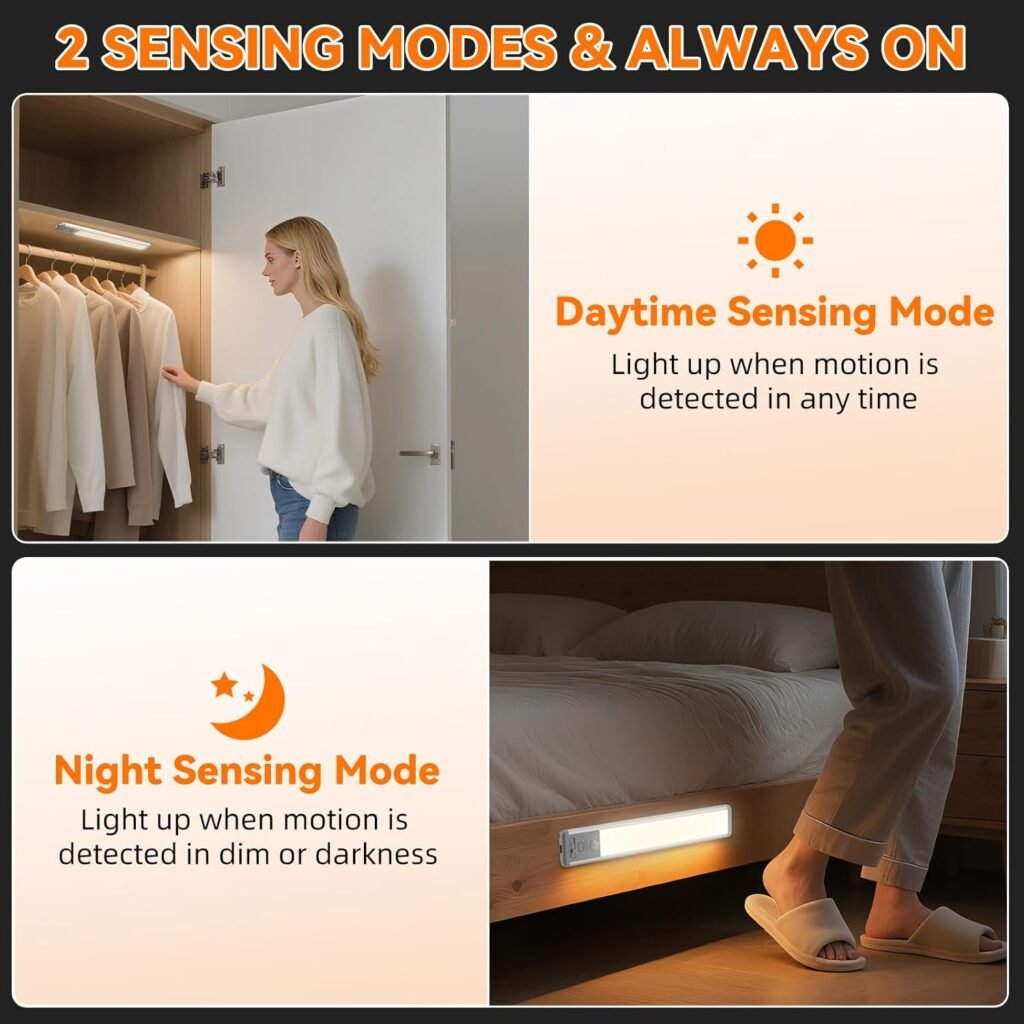
👉 Motion-sensor under cabinet lights make tiny kitchens feel custom:
Task lighting prevents eye strain and keeps your space functional.
3️⃣ Accent Lighting (The Cozy Factor)
This is what makes your studio feel like a home instead of a temporary space.
Accent lighting ideas:
- LED strips under shelves
- A small table lamp
- Rechargeable wall sconces
- A sunset projection lamp
👉 These rechargeable wall sconces are renter-friendly and completely wireless:
👉 Warm LED strip lights like this add soft depth behind furniture:Accent lighting = atmosphere.
And atmosphere is what makes small apartments feel intentional.
Example Setup for a 500 Sq Ft Studio
If I were designing a typical studio apartment, I’d use:
✔ 1 slim corner floor lamp (ambient)
✔ 1 desk lamp (task)
✔ 2 wall sconces near bed (task + accent)
✔ LED strip under kitchen cabinets (accent)
That’s 4–5 light sources total.
It sounds like a lot, but each one is small. Together, they completely transform the space.
Studio Lighting Mistakes to Avoid
❌ Using only overhead light
❌ Cool white bulbs everywhere
❌ Oversized lamps in tiny rooms
❌ Placing all lights at the same height
Height variation is important. Some lights should be low, some mid-level, some higher.
That creates depth.
Quick Studio Lighting Checklist
Before you finish setting up your apartment, ask:
- Do I have at least 3 light sources?
- Is my light warm and soft?
- Do I have light near where I sit or read?
- Does my space feel cozy at night?
If not just adding one floor lamp or wall sconce can fix most of it.
Lighting is the fastest way to make a studio apartment feel bigger, warmer, and more expensive — without changing furniture.
You don’t need more space.
You just need better layers.
[/vc_column_text][/vc_column][/vc_row]
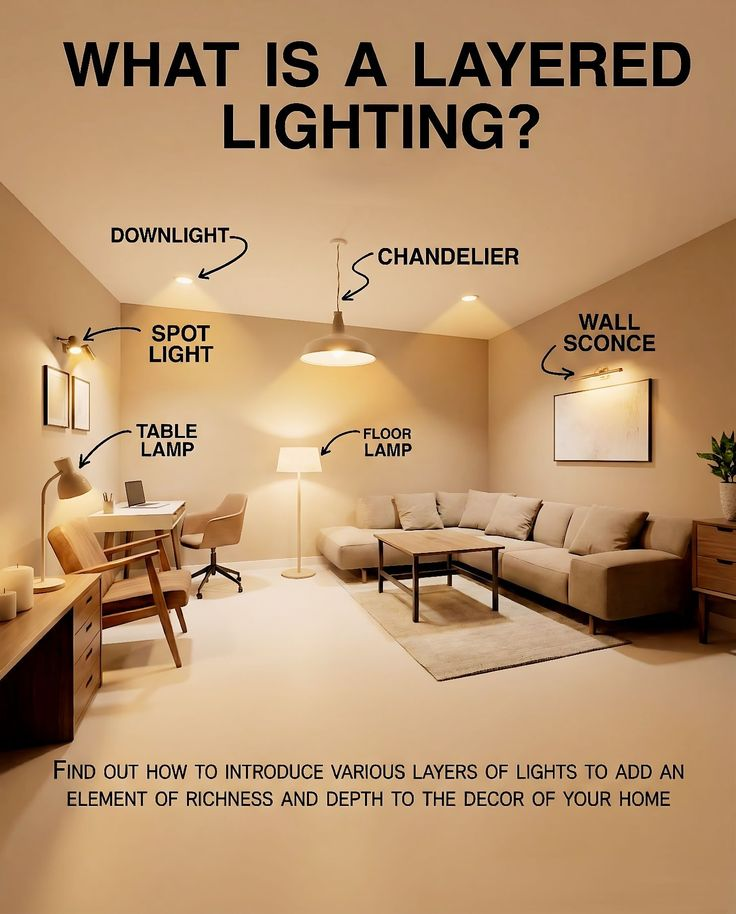
If you live in a studio apartment, you’ve probably noticed something:
No matter how nicely you decorate… it still feels a little flat at night.
That’s because most studios rely on one ceiling light in the center of the room. And that single light is doing way too much.
Designers don’t use one light source.
They use layers.
Once you understand this, your whole apartment changes.
The 3-Layer Lighting Rule
Every well-designed space uses three types of light:
- Ambient lighting – overall glow
- Task lighting – functional light for reading, cooking, working
- Accent lighting – cozy, mood-setting light
Even in a 400–600 sq ft studio, you can apply this rule.
Let’s break it down.
1️⃣ Ambient Lighting (Your Base Layer)
This replaces harsh overhead lighting.
Instead of relying only on your ceiling fixture, add:
- A slim floor lamp in a dark corner
- A soft-glow LED corner lamp
- A warm table lamp near your sofa
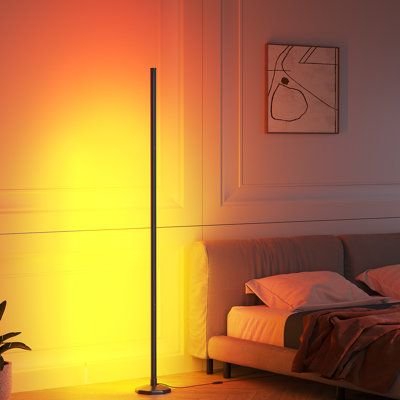
👉 A slim corner floor lamp like this works perfectly in small spaces:
Why corner placement works:
It reflects light off walls and ceilings, making the room feel larger.
Pro tip: Use warm white bulbs (2700K–3000K). Cool white makes studios feel smaller
.
2️⃣ Task Lighting (Where You Actually Need Light)
Studios combine everything — bedroom, living room, workspace.
So your task lighting needs to be intentional.
Examples:
- Clip-on reading lamp by your bed
- Desk lamp for work
- Under-cabinet lights in kitchen
- Plug-in wall sconce by sofa
👉 A flexible clip-on reading lamp like this is perfect for small bedrooms:
👉 Motion-sensor under cabinet lights make tiny kitchens feel custom:
Task lighting prevents eye strain and keeps your space functional.
3️⃣ Accent Lighting (The Cozy Factor)
This is what makes your studio feel like a home instead of a temporary space.
Accent lighting ideas:
- LED strips under shelves
- A small table lamp
- Rechargeable wall sconces
- A sunset projection lamp
👉 These rechargeable wall sconces are renter-friendly and completely wireless:
👉 Warm LED strip lights like this add soft depth behind furniture:
Accent lighting = atmosphere.
And atmosphere is what makes small apartments feel intentional.
Example Setup for a 500 Sq Ft Studio
If I were designing a typical studio apartment, I’d use:
✔ 1 slim corner floor lamp (ambient)
✔ 1 desk lamp (task)
✔ 2 wall sconces near bed (task + accent)
✔ LED strip under kitchen cabinets (accent)
That’s 4–5 light sources total.
It sounds like a lot, but each one is small. Together, they completely transform the space.
Studio Lighting Mistakes to Avoid
❌ Using only overhead light
❌ Cool white bulbs everywhere
❌ Oversized lamps in tiny rooms
❌ Placing all lights at the same height
Height variation is important. Some lights should be low, some mid-level, some higher.
That creates depth.
Quick Studio Lighting Checklist
Before you finish setting up your apartment, ask:
- Do I have at least 3 light sources?
- Is my light warm and soft?
- Do I have light near where I sit or read?
- Does my space feel cozy at night?
If not just adding one floor lamp or wall sconce can fix most of it.